So You Want to Teach in China…
Contents
At a recent career event at my alma mater, I was asked what it was like to teach in China. China’s a fascinating place. It is a land of extremes: downtown Beijing is home to some of the richest people in the world, while some of the poorest live only five miles away. Every aspect of modern life, from family relationships to spending habits, is changing for China’s growing middle class. It sees education as a way to safeguard its new status, and that has supported demand for international English teachers.
In this article, I discuss some of the prospects and uncertainties that you’ll face as an English language teacher in China. I cover aspects of salary, working conditions, and cultural obstacles that I and many others met. Learn what it’s like to work in a country of great challenge and opportunity.
Salary and cost of living
There are many reasons why you might consider moving to China, but one of the most important considerations is salary. In absolute terms, teaching salaries are lower than in the US, but China makes up for it with its low cost of living. Starting positions in English training centers will land you a salary starting at ¥13–15,000 per month. With more experience and qualifications, you can earn a maximum of around ¥30,000 per month in a school. These numbers are the most accurate for Beijing; other cities may have greater or lesser earning potential.
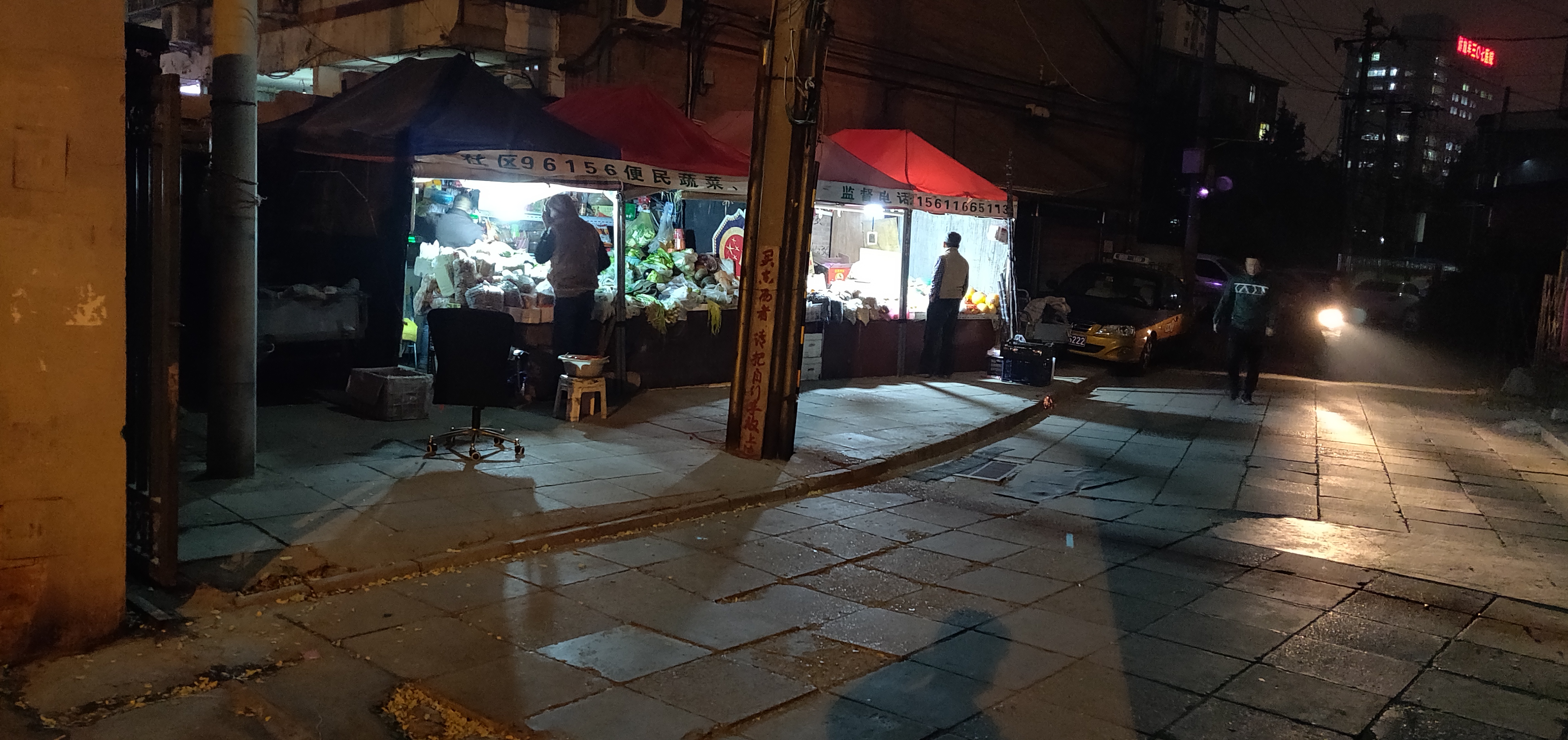
Produce stalls like these sell cheap, fresh vegetables outside many apartment communities.
In U.S. dollars, these salaries may not sound like much—about $4,400 a month. In Beijing, a two-bedroom apartment outside the third ring road costs about ¥6,000 per month. If you’re willing to acculturate and cook using local ingredients, food costs for two people will run between ¥1,000 and ¥3,000 per month, including the cost of eating out. Add on the miniscule transportation costs if you take public transportation and you’ve got less than ¥10,000 a month in expenses. Starting salaries are therefore more realistic for individuals than for families. Qualifications like a teaching certification, experience, or an education-related degree can quickly get you above that starting range.
The biggest saving opportunities are on food and rent. Cook regularly and live farther away from the city center to make the most of your salary. If you do so, you can live comfortably while still saving more than 80 percent of your salary each month. You’d have to earn a much bigger salary in the U.S. to save the same amount of money.
Working conditions
Working conditions vary based on the type of organization and the position. Training centers like EF English First, where I started my journey in China, are the McDonald’s fry cooks of English language teachers. They often don’t require previous experience and require only the minimum necessary qualifications to obtain a valid work visa. Lesson plans and materials are provided, so all the teacher has to do is show up to class and give the lessons. Work hours are mostly evenings and weekends. You’ll never have both weekend days off, if you have one at all. My days off were Wednesday and Thursday for my first year, and Monday and Tuesday for the next few years when I switched to Wall Street English.
Schools generally pay much better and have regular working hours. In my last position as a high school teacher, the first class started at 8:00 AM and the last class ended at 5:40 PM. I often arrived an hour early to get ready for the day, so the longest work days could last about 11 hours. Lunch breaks at Chinese schools are often as long as two hours, though. Most local teachers take a nap at this time.
You’ll earn the most teaching kindergarten and elementary school. The biggest challenge is classroom management; if you can handle that, the work is much less intensive than middle and high school. At seventh grade, Chinese education switches modes from fun mode to test prep, so expectations for both teachers and students are much higher.
One of the biggest challenges is finding resources to use for class. Students lack access to great learning resources such as Wikipedia and YouTube. You must carefully select and prepare your materials on your own using a VPN. The need for a reliable VPN service is a complaint among expats because the government is constantly changing its firewall to block VPNs.
Post-COVID-19, the job market for teachers has switched from training centers to international schools and “internationalized” schools, which are local schools with international departments. Expat teachers form the majority of staff at the former type, but a minority at the other. The last school I worked at was a local school with an international department. Personally, I found it valuable to earn a better understanding of Chinese school culture. Truly international schools can feel insulated from the surrounding environment.
Expat teachers enjoy a relatively high status in terms of salary and working conditions compared to local teachers. Often, they may have fewer classes, and can make as much as double what their local counterparts earn. This privileged status is a double-edged, sword, however; international teachers often play a more important role as a marketing asset than as actual teachers. Having a staff of international faces is a signal to potential students (or their parents) that the school really is “international.” I heard this quietly echoed by teachers everywhere I worked.
Language and Culture
Part of the persistent feeling of otherness that some teachers feel comes from the language barrier. English proficiency in China ranks in the category of “low proficiency” of the EF English Proficiency Index, ranking 85th out of 123 countries included in the survey, below all European countries and most South American countries, but above Mexico and Japan. It should come as no surprise that knowing some Chinese will get you a long way in adapting to the local culture, especially if you end up outside of China’s largest cities.
Language proficiency will be more important if you want to save money, because the less expensive apartments are located closer to the suburbs, and often neither real estate agents nor landlords for these properties speak English. Demonstrating communication skills in the language also reassures landlords and makes them more willing to rent to you. That being said, most employers should provide resources to help you get situated.
If you come from a Western democratic country like the U.S., you may find the political environment challenging. It’s a good idea to keep your political opinions to yourself at home and at work, even if locals don’t do the same. This was challenging for me during COVID. I greatly disapproved of government lock-down policies in China, but I never voiced this outside my own home. The security state in China is advanced, and the government’s stance is “you can have your privacy, but not from the government.” Your communications in Chinese social media apps like WeChat will be monitored. Saying controversial things in a digital context can earn unwanted attention from authorities. In the Chinese interpretation, rights come from the government, not by nature (Xu, 2026).
Hiring practices are very different in China. Some companies and schools are quite willing to ask for things Americans would think of as inappropriate, including requirements around gender, nationality, and skin color. One research article even went as far as to say that “having a white face is often enough to qualify” someone to be a teacher (Poole & Nehring, 2025). The outlook of this sort of privilege has waned since the pandemic. Looking for an apartment to rent in 2023, I encountered a landlord who refused to rent to me when she found out I wasn’t Chinese, despite the fact that I was fluent and my wife was Chinese. “No foreigners” seemed to be her policy.
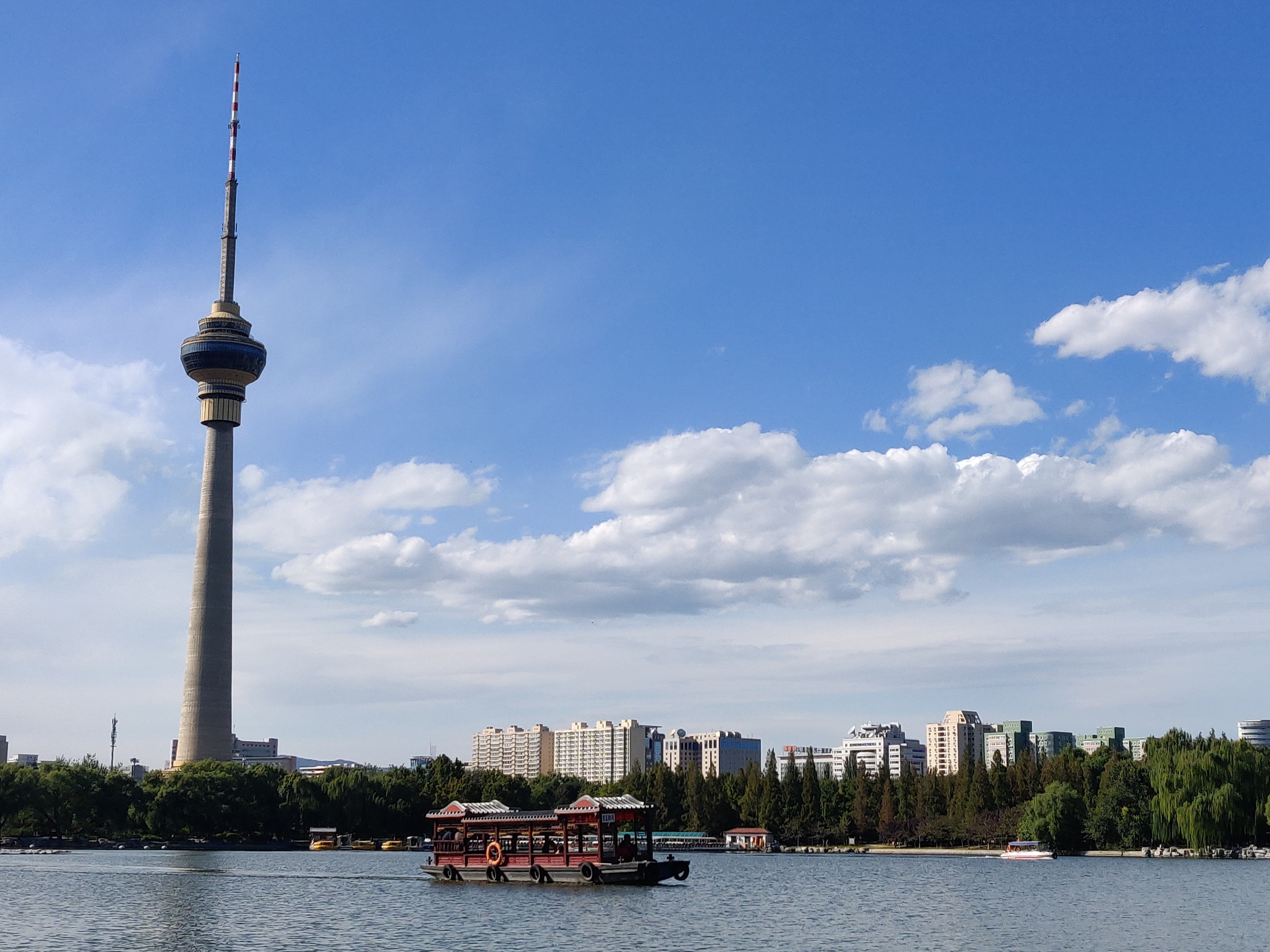
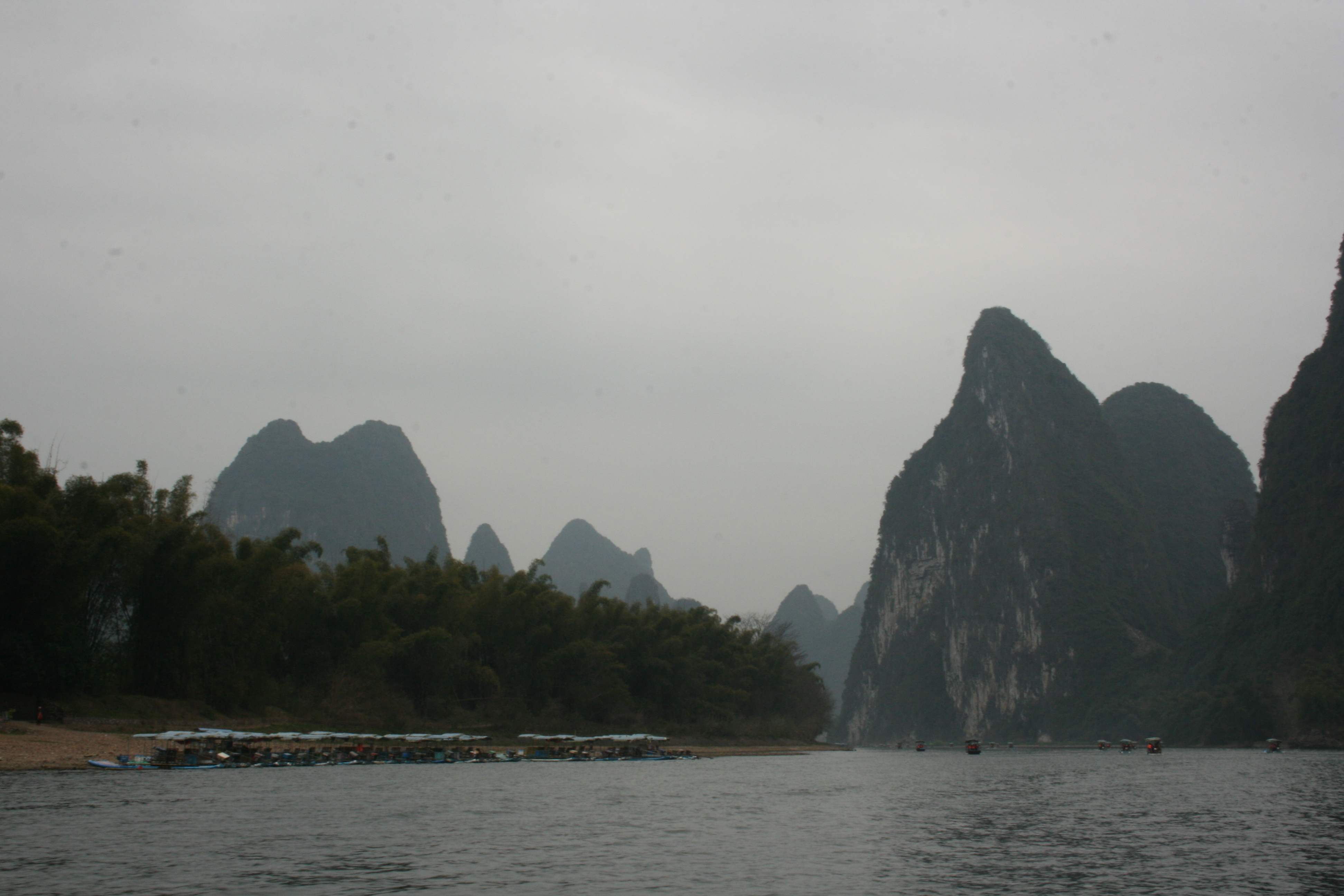
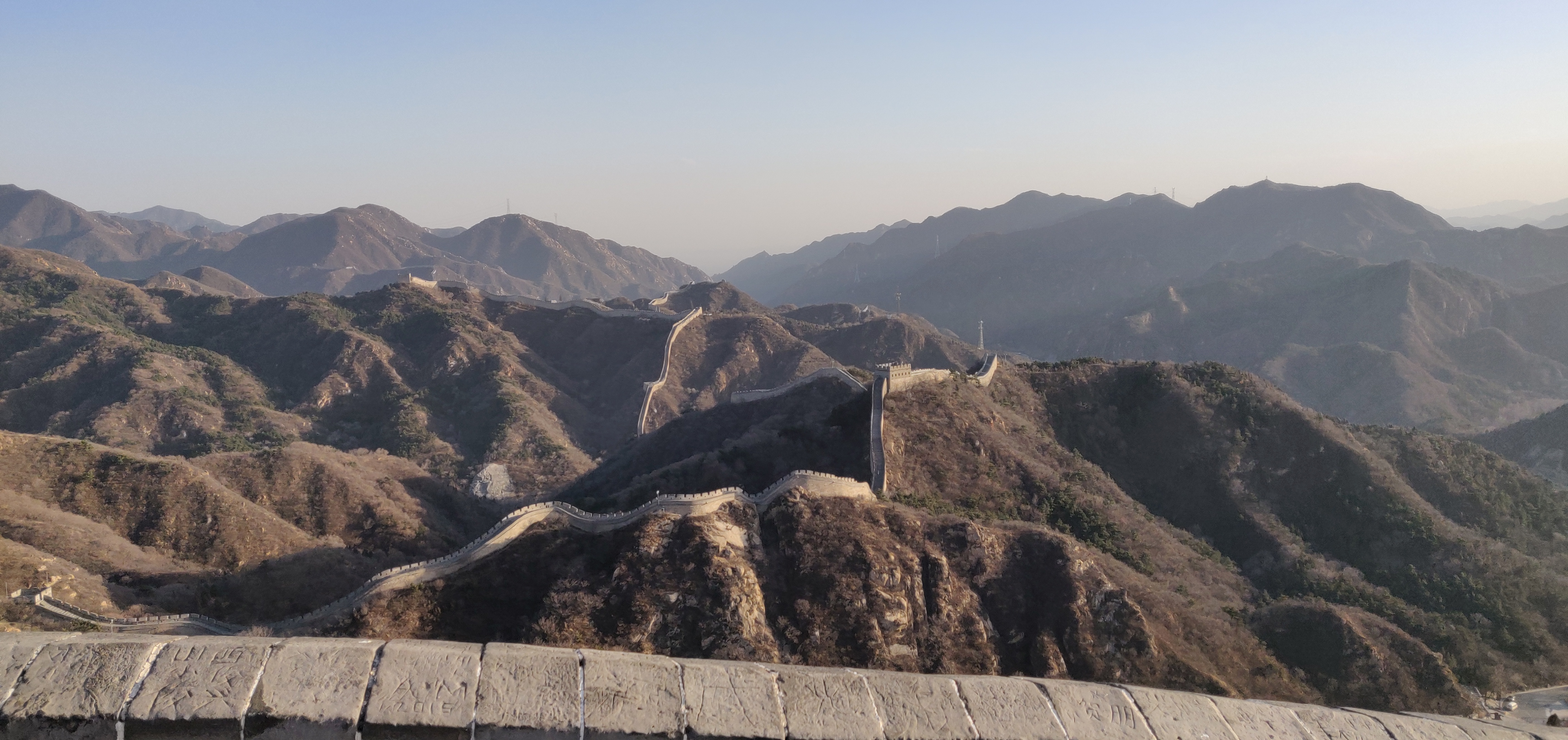

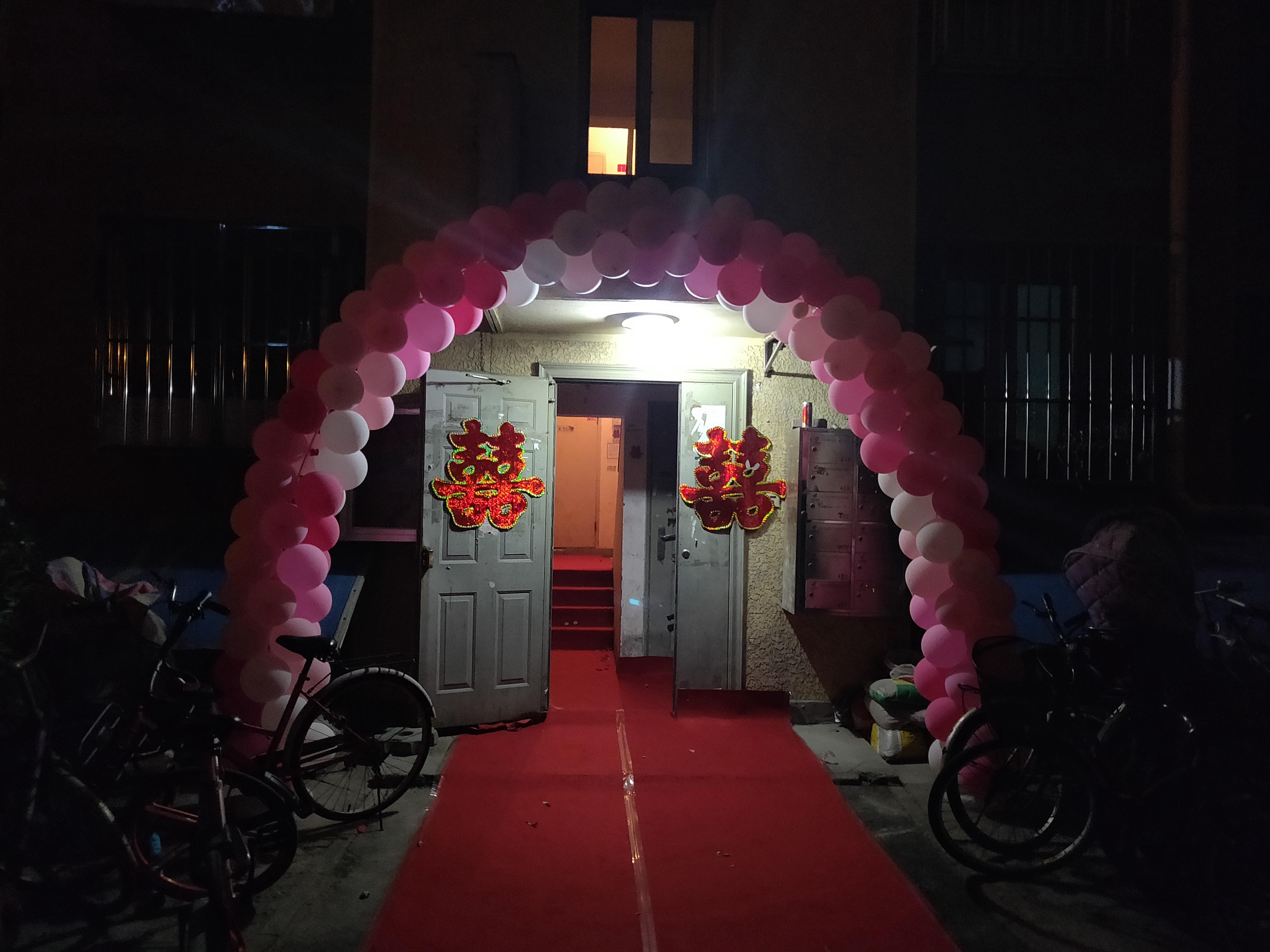
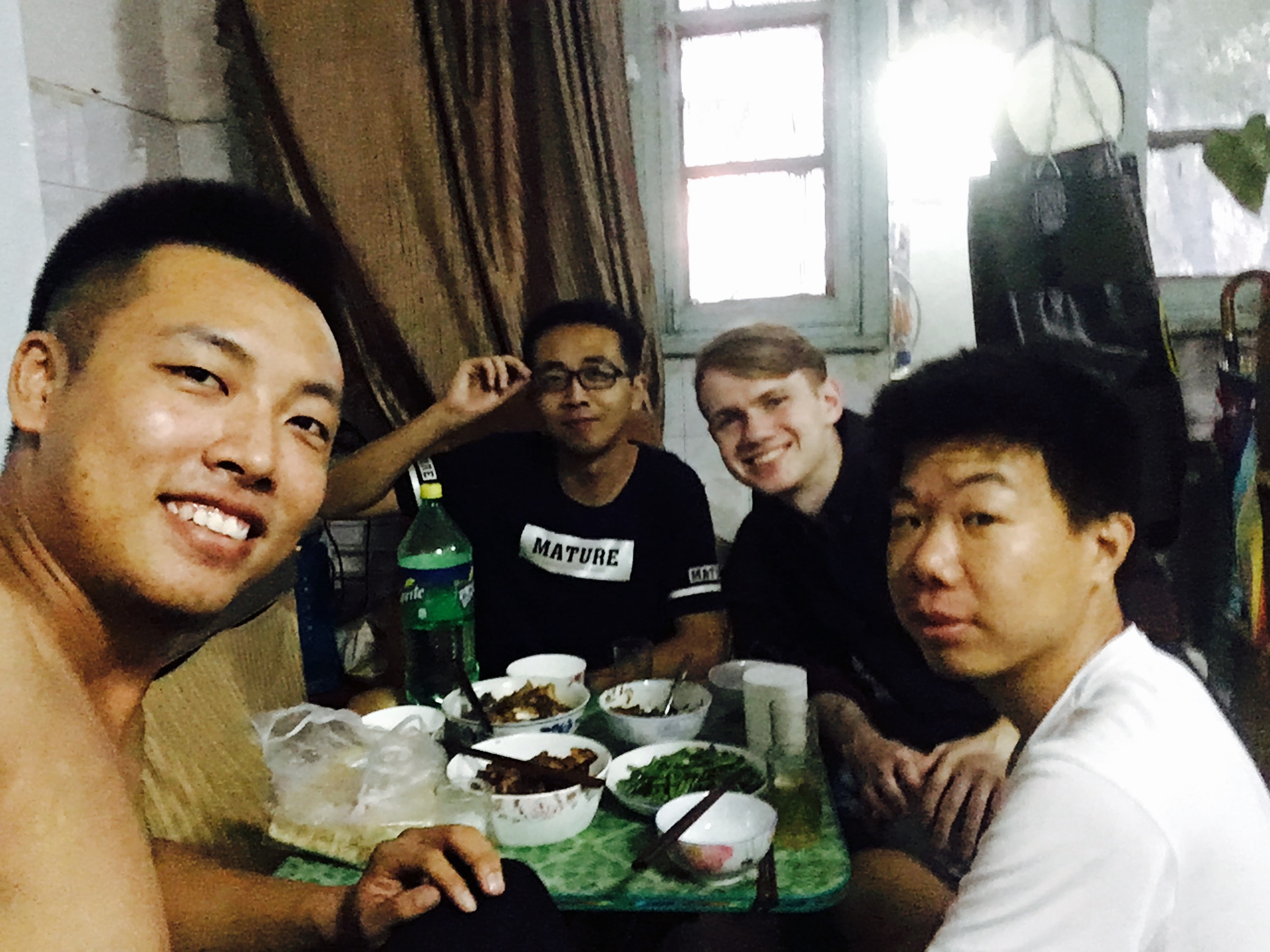
My first year or so in China took me to many places and left me with many unforgettable experiences. I went skiing for the first time, I travelled to five different cities across the country, and I met a lot of great friends.
The online blog website Hello Teacher! provides individual perspectives on teaching in China. Many of the articles, such as these ones, reflect common experiences of a first year in the country.
Personal space is a concept that Americans cherish, but the Chinese bubble of personal space is much smaller. Get on the subway during rush hour in Beijing or Shanghai and you’ll understand.
Those considering work as teachers in China also need to consider a plan for professional development. Professional development is often left up to the individual. Expatriates may fall into what Redditors call “losers back home,” marked by reduced status in their home country due to their relatively high earning potential in China. Indeed, making the move back home was a huge challenge for me. Lack of formal qualifications as a teacher made the job search difficult, despite years of experience. Many who move to China find it difficult to move back if they don’t plan their career well.
Legal requirements
Lastly, there are some legal requirements to teaching in China. The bar to entry is quite low: to become a teacher in China, you need only to have a bachelor’s degree (in any major) and a 120-hour TEFL certificate. That will qualify you for a Z visa to enter the country, at which point your employer will help you obtain a residence permit for work. The residence permit is necessary to stay legally in China. It will last the duration of your work contract, which will likely be between one and three years.
While the legal bar to entry is quite low, certain types of jobs will have stricter requirements. Private schools and universities often require a master’s degree and subject knowledge. If you have those qualifications, they open the door to more lucrative teaching positions.
One important note about age requirements for Chinese visas. The government won’t give Z visas to people 60 years old or older, so if you’re nearing that age, finding work in China will be much harder. You would do well to look at other places, including Vietnam, Taiwan, or Japan.
You’ll experience many challenges and opportunities as an international teacher in China. Chinese culture is undergoing big changes, and you’ll be one small part of that change. You’ll experience the open friendliness of people, but you’ll always be the subject of attention and Hellos! from random passersby on any given day. You’ll get a glimpse into what 内卷 [neì juăn, involution] means and how it affects students of all ages.
It’s important to understand how the job market has changed since the pandemic, and to be prepared for great personal challenges in life, language and work. The experience is valuable and rewarding, but beware that time has a way of getting away from you in China. If you’re just going for the experience, you might be starting over when you decide to move back. If language education is your career, research qualifications in your own country and keep them in mind so that you’re prepared when you decide to move home.
References and Further Reading
Academic articles about expatriates in China
- Bunnell, T., & Poole, A. (2023). International Schools in China and teacher turnover: The need for a more nuanced approach towards precarity reflecting agency. Asia Pacific Journal of Education, 43(2), 463–478. https://doi.org/10.1080/02188791.2021.1940840
- Mo, J., & Morris, G. (2024). Investigating the employment motivation, job satisfaction, and dissatisfaction of international high school teachers in China: The impact of the COVID-19 pandemic. Frontiers in Psychology, 15, 1271604. https://doi.org/10.3389/fpsyg.2024.1271604
- Poole, A., & Nehring, D. (2025). ‘We’ve Done Our Bit’: Post-COVID Experiences of Precarious Privilege Among Western International School Teachers in Shanghai. Sociological Research Online, 30(3), 594–610. https://doi.org/10.1177/13607804241277430
Blogs on teaching
- Bucknall, S. (2018, November 15). Becoming an expat in Fuzhou (Part 2) [Blog]. Hello Teacher! https://www.helloteacher.asia/blog/becoming-an-expat-in-fuzhou-part-2
- Cairnduff, D. (2018, November 16). Teaching in rural China: An honest account (Part 2) [Blog]. Hello Teacher! https://www.helloteacher.asia/blog/teaching-in-rural-china-an-honest-account-part-2
- Hall, C., Chen, L., Hall, C., & Chen, L. (2024, October 28). China’s private tutoring firms emerge from the shadows after crackdown. Reuters. https://www.reuters.com/world/china/chinas-private-tutoring-firms-emerge-shadows-after-crackdown-2024-10-28/
- Ooi, K. (2022, August 15). What is it really like to live and teach in China? [Blog]. Hello Teacher! https://www.helloteacher.asia/blog/what-it-is-really-like-to-live-and-teach-in-china
Books about China
- Hessler, P. (2001). River Town: Two Years on the Yangtze (1st ed). HarperCollins Publishers.
- Xu, G. (2026). The Idea of China: A Contested History. Harvard University Press. https://doi.org/10.4159/9780674303997